
The Best Places to See Wildlife in the Smokies
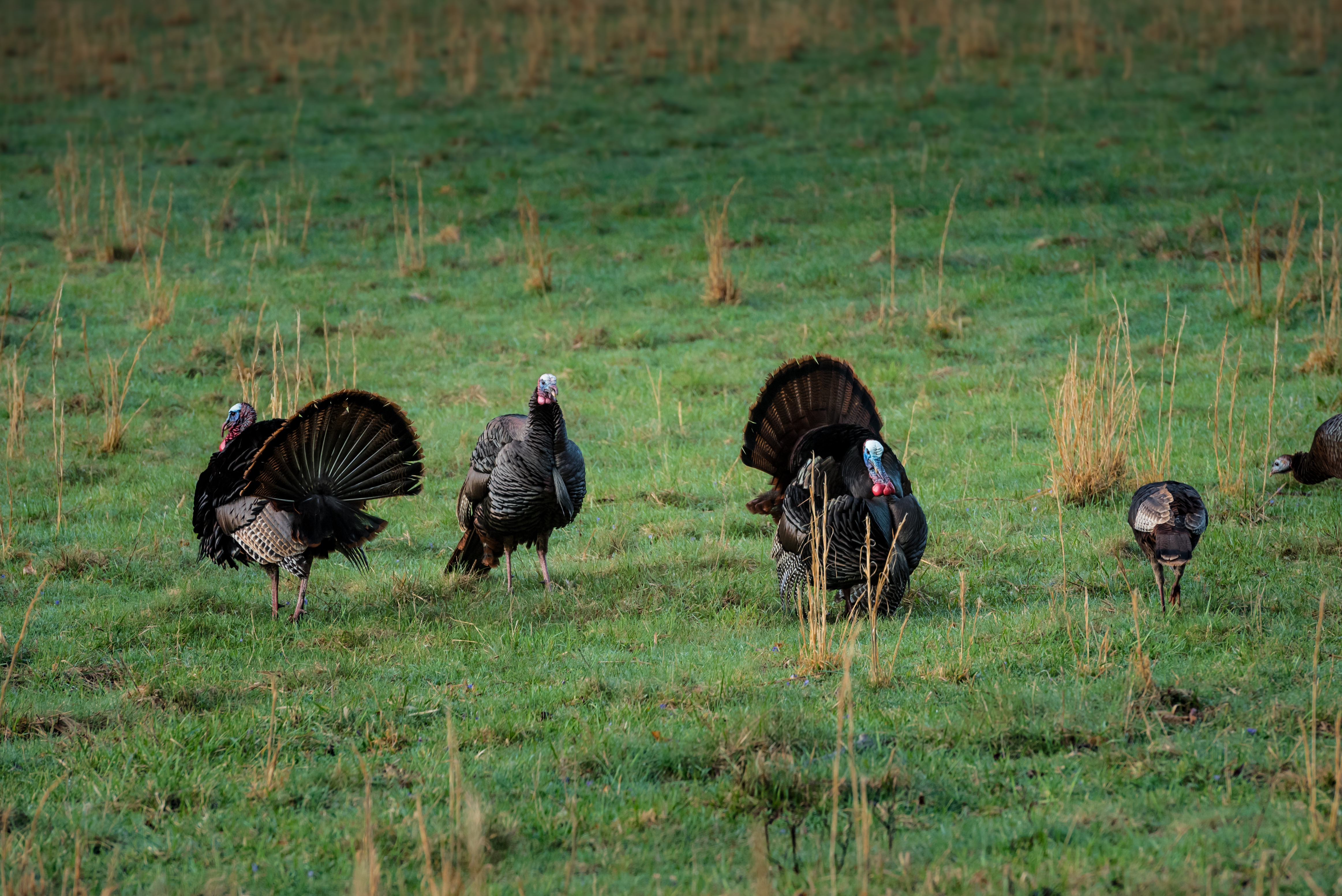
For the best wildlife viewing in the Great Smoky Mountains National Park in 2026, focus on the early morning and late evening hours. During these times, animals are most active in the open valleys and along scenic drives throughout the park. After a day of exploring these wild habitats, returning to a local luxury cabin or resort, complete with private amenities, is the perfect way to recharge for another day of adventure.
1. Cades Cove
This driveable loop is the premier location for spotting a wide variety of animals, including black bears, white-tailed deer, wild turkeys, and coyotes. The loop encircles a large valley where animals often forage in open meadows, particularly during the spring and fall seasons. To ensure a peaceful experience, remember that the loop is typically closed to vehicles on Wednesdays from May through September, allowing for biking and walking.
2. Cataloochee Valley
If you are hoping to see the park's reintroduced elk herd, this remote valley is the best location, particularly at dawn and dusk when they are most visible. Beyond elk, the area offers excellent opportunities to see black bears, deer, and wild turkeys with significantly fewer crowds than other popular spots. The tranquil scenery and preserved historic buildings make it a beautiful backdrop for wildlife photography.
3. Roaring Fork Motor Nature Trail
Located just minutes from downtown Gatlinburg, this 5.5-mile, one-way loop winds through dense old-growth forest and alongside rushing streams. It is well-known for frequent black bear sightings, often appearing near the road or lounging in the shady hardwood trees. Due to the narrow, winding nature of the road, large vehicles like RVs and trailers are not permitted.
4. Kuwohi (Formerly Clingmans Dome) & High Elevations
As the highest peak in the Smokies, Kuwohi offers a unique ecosystem prime for spotting high-elevation wildlife, including unique bird species and salamanders. The invigoration of the climb to the observation tower is often rewarded with views of vibrant flora and fascinating wildlife active in the spruce-fir forests. Visit during the cooler morning or late afternoon hours for the best lighting and animal activity.
When viewing wildlife, always prioritize safety by remaining at least 150 feet (50 yards) away from bears and elk. Using a zoom lens or binoculars allows you to capture the perfect moment without disturbing the animals or their habitat.
Explore More Articles
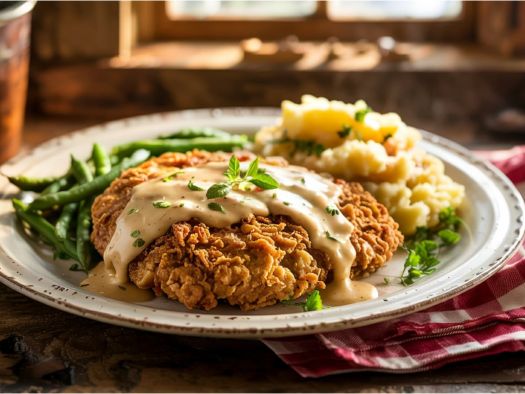
5 Southern Meals to Make in Your Smoky Mountain Cabin
Many cabins come with full kitchens, making it easy to prepare classic Southern dishes that feel comforting and satisfying. Whether you're cooking for family or friends, these Southern favorites are perfect for a relaxing cabin evening.